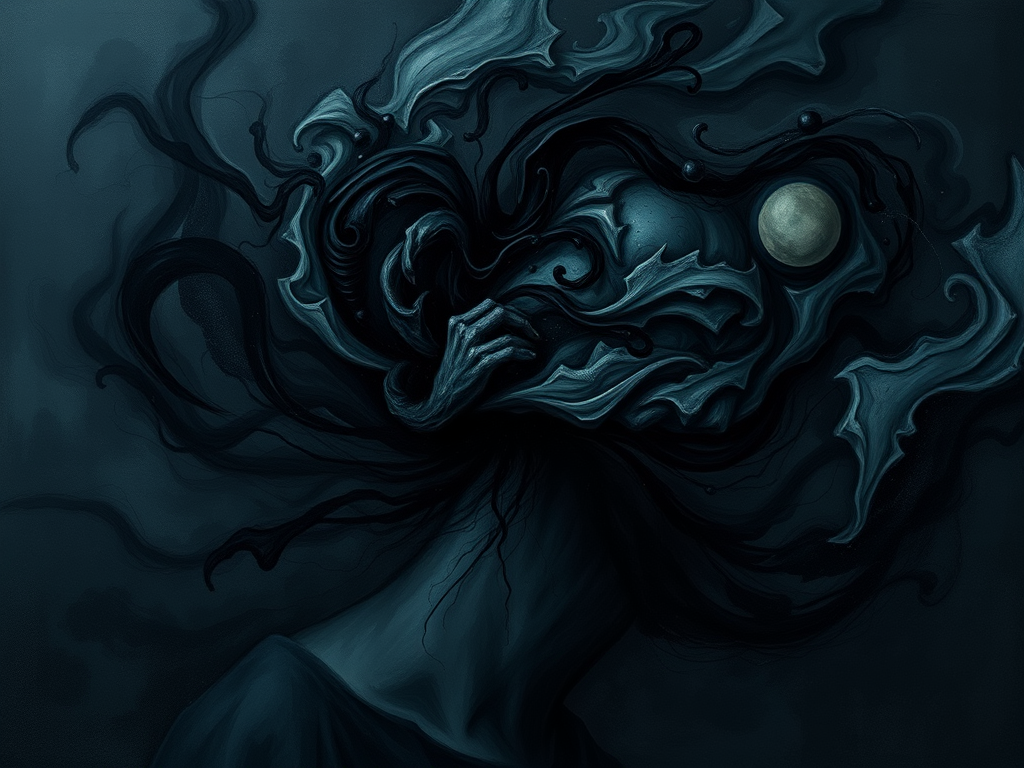
In New Zealand, depression in the context of family violence is often more than just “low mood.” It is frequently a biological response to prolonged entrapment. When you are in a situation where you cannot fight and you cannot flee, your brain eventually chooses a third option: Shutdown.
Understanding this can help remove the shame (whakamā) often associated with feeling “unmotivated” or “heavy.”
1. Depression as a “Shield” (Shutdown)
In trauma circles, this is often called the “Freeze” or “Collapse” response.
- The Logic: If your brain realizes that being active or “noticing things” only leads to more pain, it dials down your emotions to protect you.
- The Feeling: You might feel numb, like you are moving through treacle, or like you are watching your life through a foggy window (dissociation).
- The Guilt: Abusers often use this depression against you, calling you “lazy” or “no fun,” when in reality, your body is simply exhausted from the effort of surviving them.
2. Common Symptoms in Aotearoa
New Zealand health providers often look for symptoms across four areas of wellbeing (based on the Te Whare Tapa Whā model):
- Tinana (Physical): Chronic fatigue, sleeping too much but never feeling rested, “heaviness” in the limbs, or changes in appetite.
- Hinengaro (Mental): Difficulty making simple decisions (like what to eat), memory gaps, and a constant “internal critic” that sounds like the abuser’s voice.
- Whānau (Social): Withdrawing from friends because you “don’t have the energy to explain,” or feeling like a burden to others.
- Wairua (Spiritual): A feeling of hopelessness—the belief that the future is just “more of the same.”
3. The “Post-Separation” Dip
It is very common for depression to worsen shortly after you leave or get a Protection Order.
- The Adrenaline Crash: While you were in the relationship, your adrenaline kept you going. Now that you are “safe,” your body finally feels safe enough to collapse and process the exhaustion.
- The Identity Gap: After years of being defined by the abuser, you might feel “empty” or unsure of who you are, which can feel like depression.
4. Free Support Systems in NZ
You are entitled to support that doesn’t cost you anything.
| Service | What they provide |
| Depression Helpline | 0800 111 757 or text 4202. 24/7 trained counselors to talk you through the “heavy” days. |
| ACC Sensitive Claims | If your experience included sexual harm, you are eligible for fully funded, long-term therapy (even if the abuse was years ago). |
| GPs (Access & Choice) | Most NZ doctors can now refer you to an “Health Improvement Practitioner” (HIP) on-site for free, immediate mental health support. |
| 1737 (Need to Talk?) | Free call/text anytime for a “mental health reset” when the fog feels too thick. |
5. Small Ways to “Thaw” the Freeze
When you are depressed, “self-care” like going to the gym can feel impossible. Try these micro-steps instead:
- Change the “Atmosphere”: Open one window or sit on your doorstep for 2 minutes. Fresh air breaks the “stale” energy of shutdown.
- The “One Task” Rule: Don’t look at the whole house. Just wash two dishes. That’s it. Small wins prove to your brain that you still have agency.
- Gentle Sensory Input: A warm bath, a soft blanket, or holding a hot cup of tea. This tells your Tinana (body) that it is safe to come back into the present.
Important: If your depression feels like a “black hole” and you are having thoughts of self-harm, please reach out to the Suicide Crisis Helpline (0508 828 865). In Aotearoa, you are valued, and your mana is worth protecting.
Fear of the Past
In the context of family violence, depression isn’t just “sadness”—it is often a weighty, physical anchor to the past. When you have survived trauma, your brain can get stuck in a loop where it tries to “re-live” or “solve” the past to prevent it from happening again.
This creates a specific type of depression where you feel like a prisoner of things that have already happened. Here is what you need to know about navigating this “Fear of the Past.”
1. The “Ruminating” Loop
Depression often manifests as Rumination—playing the “movies” of the past over and over in your head.
- The Fear: You might think, “If I stop thinking about what they did, I’ll let my guard down and it will happen again.”
- The Reality: This is your brain trying to “study” the trauma to stay safe, but it results in a “heavy” depression because you are constantly re-traumatizing yourself.
- The “Why” Trap: You may spend hours wondering why they did it or how you didn’t see it coming. In NZ, we call this searching for māramatanga (understanding), but with an abuser, there is often no logic to find—only their choice to harm.
2. Shame (Whakamā) and the Past
A major driver of depression for survivors in Aotearoa is the feeling of shame about “staying too long” or “not fighting back.”
- The Past as a Burden: You may feel like the past has permanently “stained” your identity or your mana.
- The Context: You must remember that your “past self” was in Survival Mode. The decisions you made then were the ones that kept you alive long enough to be here today. Your past self is a hero, not a mistake.
3. Post-Traumatic “Body Memories”
Sometimes the depression isn’t a thought; it’s a feeling.
- The Physical Echo: Your mind might know you are safe in 2026, but your body “remembers” the past.1 You might feel a wave of depression on the anniversary of an event, or when you smell a certain scent.
- The Shutdown: When the past feels “too big,” your nervous system may choose to “shut down” (depression) to numb the emotional pain of those memories.
4. Tools to Unhook from the Past
| Technique | How to use it |
| “That was Then, This is Now” | When a memory hits, say out loud: “I am remembering a past event. I am currently in my safe house. The date is [Today’s Date].” |
| The “Evidence Box” | Keep a folder or box of things that didn’t exist in the past—your new key, a recent photo of you smiling, a receipt for a meal you chose yourself. |
| Grounding via Senses | Use a strong “Now” sensation (like biting a lemon or holding an ice pack) to shock your brain out of a past-memory loop. |
5. Professional Help for “Past-Focused” Depression
In New Zealand, there are specific therapies designed to “file away” the past so it stays in the history books and stops leaking into your present:
- EMDR (Eye Movement Desensitisation and Reprocessing): A highly effective therapy available in NZ that helps the brain “process” traumatic memories so they lose their painful “charge.”
- Trauma-Informed Counseling: Available for free through ACC Sensitive Claims (if there was sexual violence) or via Victim Support.
- Whānau Ora: Can provide a holistic approach to help you and your children move forward together, acknowledging the past without being defined by it.
A Note on Forgiveness: You do not have to forgive the abuser to heal the depression. Healing is about “releasing” yourself from the weight of what they did, not about excusing their actions.
Sleep Rituals
When you have lived in a state of high alert, night-time can feel like the most vulnerable part of the day. Your brain is trained to believe that “sleep equals danger” because you are not “on guard.”
Creating a Sleep Sanctuary is about retraining your nervous system to understand that your current bedroom is a fortress of peace, not a place of threat.
1. Physical Sanctuary (Setting the Scene)
In New Zealand, we often have cold or damp housing, which can add to the “heavy” feeling of depression. Physical comfort is your first layer of safety.
- Temperature Control: Use a heater or a hot water bottle. Being physically warm tells your brain the environment is “hospitable.”
- Weighted Pressure: If you don’t have a weighted blanket, use two or three heavy duvets. This deep pressure stimulates serotonin and makes your body feel “held” and secure.
- Light Management: Use a dim nightlight (warm orange or red tones are best). Total darkness can be triggering if you feel the need to see the door or the room.
2. Sensory Grounding (The “Here and Now” Kit)
Keep a small “Sanctuary Kit” on your bedside table. If you wake up in a panic or a “past-fear” loop, use these immediately:
- Scent: A bottle of lavender oil or a specific hand cream. Scent is the fastest way to bypass the “fear brain” and ground you in the present.
- Texture: A smooth stone, a piece of soft fabric, or a fidget toy.
- Sound: Use a “White Noise” machine or a free app (like Rain Rain) to mask small house creaks that might otherwise startle you.
3. The “Lock & Check” Ritual
Anxiety often causes “Checking OCD”—getting up five times to check the door.
- The Ritual: Check your locks once. As you do it, say out loud: “The door is locked. I am safe in [Suburb Name]. It is 2026.” * The Visual: If you have Whānau Protect or a security alarm, look at the “Armed” light. Tell yourself: “The system is awake so I can sleep.”
4. A 5-Minute “Winding Down” Routine
Try this specific sequence to signal to your brain that “The Shift is Over”:
- The Brain Dump: Write down any “fears of tomorrow” on a piece of paper and literally put it in a drawer. You are telling your brain: “I will deal with this at 9:00 AM, not now.”
- Muscle Release: Lie flat. Tense your toes for 5 seconds, then release. Tense your calves, then release. Work all the way up to your face. This physically “dumps” the day’s tension.
- The Safe Place Visualization: Close your eyes and imagine a place where the abuser could never go. It could be a beach in Northland, a forest in the South Island, or a fictional castle. Focus on the colors and the temperature of that place until you drift off.
5. If You Wake Up in the Night
Don’t fight the wakefulness. If you can’t get back to sleep after 20 minutes:
- Get out of bed: Go to another room, have a glass of water, and remind yourself: “I am awake because my body is protecting me, but there is no danger here.”
- Call for a Voice: If the silence is too much, call 1737 (Need to Talk?) or 0800 REFUGE. Just hearing a calm, kind Kiwi voice can reset your nervous system enough to return to bed.
A Note on Tamariki (Children): If your children are also struggling to sleep, creating a “Family Sleep Sanctuary” where you all have the same “Safety Scent” or white noise can help lower the collective anxiety of the house.
 Staying Safe and Sane