
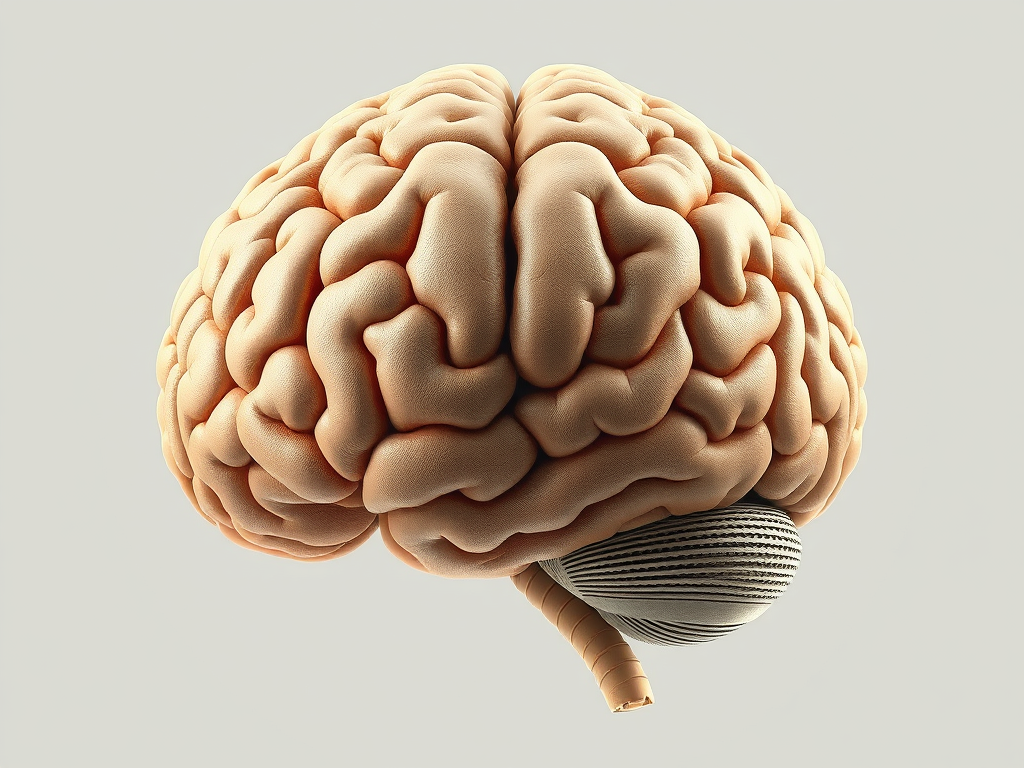
When you are living through family harm or sexual harm, your brain undergoes a profound biological shift. It stops being a “thinking” brain and becomes a “surviving” brain. This isn’t a flaw; it is an ancient, highly effective survival system.
However, this survival system can “trick” you into staying, doubting your own reality, or feeling a strange loyalty to the person hurting you. Understanding the Neuroscience of Survival is the first step to clearing the “Fog.”
1. The “Highjacked” Brain: Amygdala vs. Prefrontal Cortex
In a safe environment, your Prefrontal Cortex (the logical, planning part of your brain) is in charge. When you are under threat, your Amygdala (the alarm system) takes over.
- The Trick: The Amygdala “shuts down” your logical thinking to save energy for survival. This is why, in the heat of a fight or an assault, you might struggle to remember your phone number or find it hard to make a complex exit plan.
- The Reality: You aren’t “stupid” or “scattered.” Your brain has simply pushed logic aside to focus 100% on keeping your heart beating.
2. Trauma Bonding: The “Dopamine Rollercoaster”
This is perhaps the cruelest trick the brain plays. In an abusive relationship, the “lows” are terrifying, but the “highs” (the love-bombing and apologies) are intense.
- The Trick: When an abuser is kind after being cruel, your brain releases a massive flood of Dopamine and Oxytocin. This creates a biological addiction to the “relief” phase.
- The Reality: This is why it feels physically painful to leave. Your brain is craving the “fix” of the next apology. You aren’t “weak-willed”; you are navigating a chemical dependency created by the cycle of abuse.
3. Cognitive Dissonance: The “Two Versions” Trap
Your brain hates conflict. It struggles to hold two opposite truths: “This person loves me” and “This person is hurting me.”
- The Trick: To reduce the mental pain, your brain will often minimize the violence (“It wasn’t that bad”) or justify it (“They only did it because they’re stressed”). This is called Cognitive Dissonance.
- The Reality: Your brain is trying to protect you from the devastating reality that you are unsafe. Recognizing this “split” helps you start trusting the version of events that matches the bruises or the fear, rather than the excuses.
4. Tonic Immobility: The “Freeze and Flop”
During sexual harm or extreme physical violence, you may find yourself unable to move or speak.
- The Trick: Your brain may later tell you, “You didn’t fight back, so it wasn’t that bad,” or “You must have wanted it.”
- The Reality: This is Tonic Immobility. Your nervous system detected that fighting or fleeing would result in more harm, so it physically paralyzed you and “numbed” your pain receptors. It is a brilliant survival reflex, not a choice.
5. Memory “Fragmentation”
Traumatic memories are stored differently than normal ones. They aren’t a neat story; they are a collection of “splinters”—a smell, a sound, a specific look in someone’s eyes.
- The Trick: Because you can’t remember the exact chronological order of an event, the abuser (and sometimes the legal system) might tell you that you are lying.
- The Reality: Trauma memories are fragmented precisely because they were so intense. Not remembering the exact time of an incident doesn’t mean it didn’t happen; it means your brain was too busy surviving to check the clock.
How to “Outsmart” Your Surviving Brain
- Write it Down: When you are in a “clear” moment, write down what happened. This creates an external “memory” that your Amygdala can’t erase when the next “Honeymoon phase” hits.
- Name the Feeling: When you feel that urge to go back or apologize for their behavior, tell yourself: “This is my Dopamine talking, not my logic.”
- Grounding: If you feel yourself “leaving your body” (dissociating), use the 5-4-3-2-1 technique: Name 5 things you see, 4 you can touch, 3 you hear, 2 you smell, and 1 you can taste. This “forces” your brain back into the Prefrontal Cortex.
 Staying Safe and Sane