First Steps
This “First Steps” guide is designed to be the very first thing you see, offering a gentle path forward when you might feel overwhelmed or unsure of what to do next.
Safety Plan

The “Safety Plan” is a structured path to safety that reduces panic and increases your control during a crisis.
When to leave

In New Zealand, the decision to leave is legally yours at any time, but it is safest to do so when you are prepared.
Red Flags

Knowing the “Red Flags” that signal a crisis is building helps you take steps to stay safe and protect your children.
Extreme Danger

The research says that the majority of females cannot overpower males during family violence.
The “Go Bag”

The “Go-Bag” is a pre-packed collection of essential items hidden in a neutral location for escape.
Exit Plan

The “Exit Plan” involves the careful preparation of a safe destination and a “false” digital trail to ensure your departure remains undetected and untraceable.
111 – Silent Call

The “Silent 55” service is a vital emergency tool that allows you to alert the Police when it is too dangerous to speak after dialing 111.
Making a Statement
Making a formal statement transforms your experience into a sworn legal record, effectively shifting the burden of your safety.
The Lead Up

As the atmosphere grows heavy with quiet rage or minor outbursts, you may find yourself frantically trying to “de-fuse” the situation.
During the Violence

An explosion of built-up tension, where the perpetrator’s need for total dominance overrides everything,
After the Violence

Th response and recovery period often involves a complex mix of shock and “thawing” emotions as you begin to ground yourself.
Preparing a Statement

Organizing your thoughts before speaking to Police ensures that critical details are not forgotten during a high-stress interview.
Protection Orders

A Protection Order empowers the Police to make immediate arrests if the abuser breaches these conditions, effectively criminalizing their behavior.
Parenting Orders
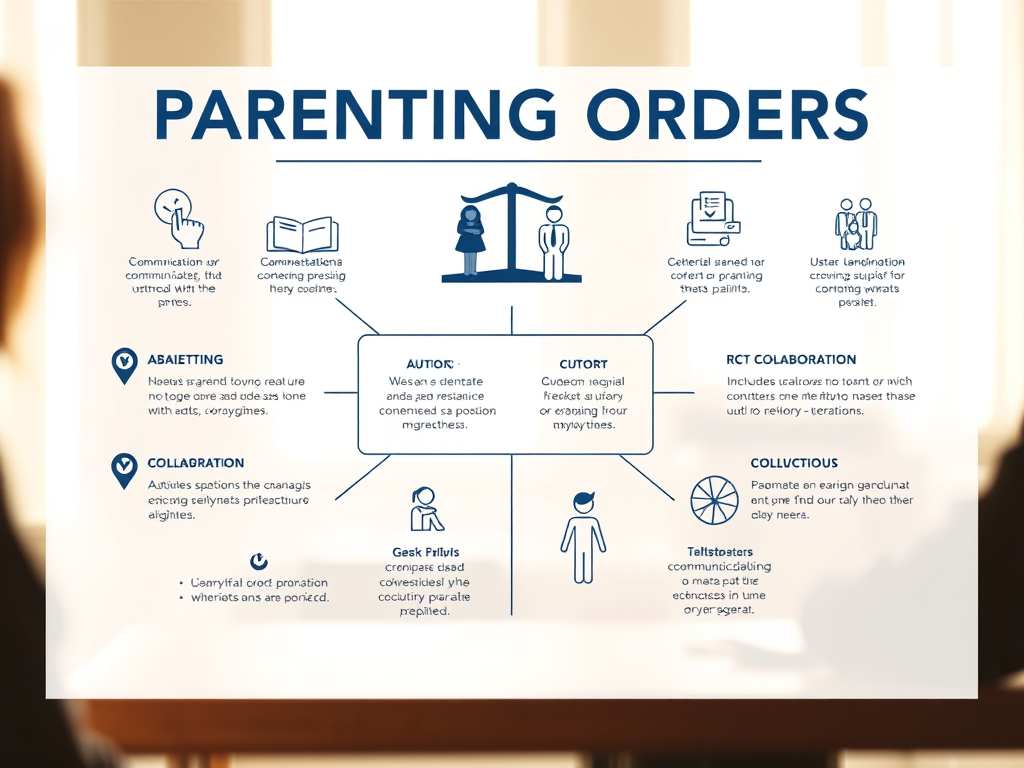
A Parenting Order prioritizes the safety and well-being of children by clearly defining who provides their day-to-day care and how contact occurs.
Protection & Parenting Orders

When these orders work together, the court can mandate supervised contact or neutral changeovers, ensuring that parental involvement never compromises the safety of the protected parent or the children.
Breaching Orders

Breaching a Protection or Parenting Order is a serious criminal offense in New Zealand that empowers the Police to take immediate enforcement action, including the arrest and prosecution of the offender.
Getting Arrested

In New Zealand, the Police operate under a “pro-arrest” policy where they can detain an offender and issue immediate Safety Orders regardless of whether the victim wishes to press charges.
First 48 Hours

The first 48 hours are about moving from high-alert survival to stability, focusing on predictable routines and nervous system regulation to signal to yourself and your children that you are finally safe.
Police Safety Orders
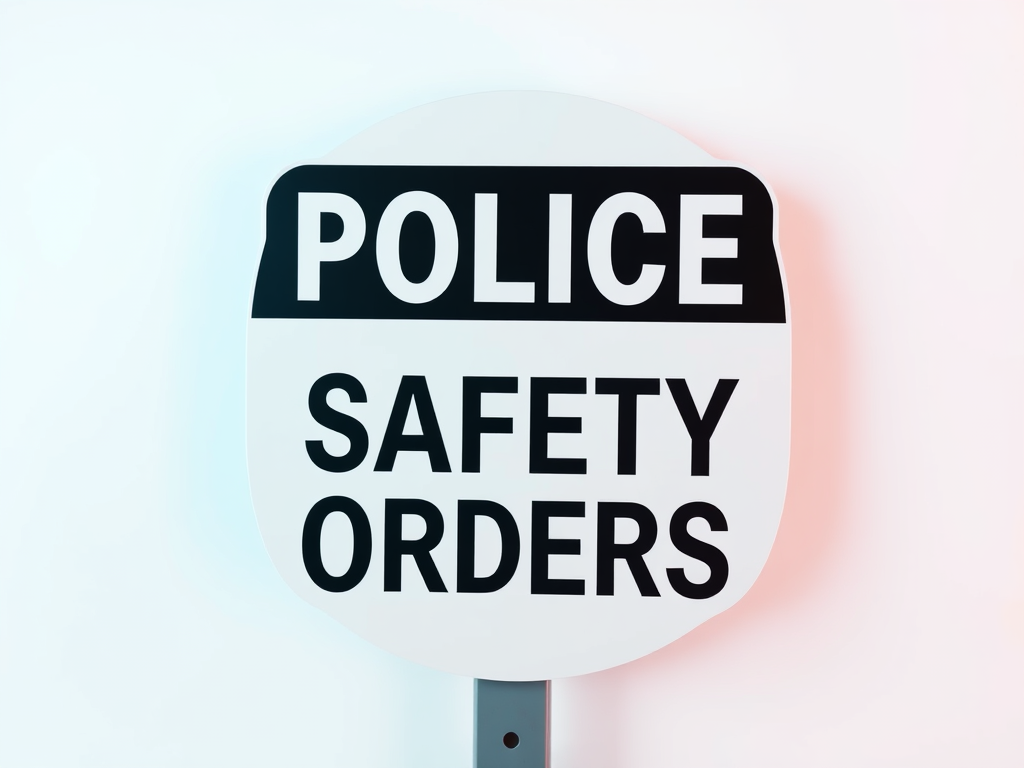
A Police Safety Order (PSO) is an on-the-spot tool issued by Police to provide immediate protection for up to 10 days, requiring the abuser to vacate the home and cease all contact without needing the victim’s consent.
Whānau Protect

Whānau Protect is a national service that empowers high-risk victims to remain safely in their own homes after separating from an abuser by providing a six-month package of intensive security upgrades and monitored alarms.
Bail Hearings

In New Zealand, a Bail Hearing allows you to exercise your legal right to provide a “Victim View” through the Police or a Court Victim Advisor to influence the safety conditions of the defendant’s release.
Non-contact Conditions

Providing a specific list of non-contact and exclusion conditions to the Police creates a clear legal blueprint for the Judge to enforce your safety.
Safety Alert

A Statement of Privacy formally notifies your employer or children’s school of existing legal orders, transforming these institutions into active partners in your security.
Bail Conditions

Bail conditions in New Zealand family violence cases are mandatory rules that prioritize your safety by strictly forbidding the defendant from contacting you or coming near your home.
Abuser takes Child

Without a court order, either parent can technically have the child,
Legal Aid Lawyers

Legal aid lawyers provide government-funded legal representation for those who cannot afford a private lawyer, essentially acting as a legal “loan” for family and civil cases.
Legal Aid

Legal aid eligibility in New Zealand for 2026 is determined by a “Means Test” (your finances) and a “Merits Test” (the strength of your case).
Rental Issues

When experiencing Family Violence, an abuser who is on the tenancy agreement can make life a lot harder for victims. Understanding your rights can help you make the best decisions.
Evidence for Protection Orders

When applying for a protection order victims can find it a lot harder than they thought. Tangible evidence helps more than non-tangible evidence.
Finances when Planning to Separate

When planning to separate from an abuser it is important to be prepared financially. If an abuser suspects that you are going to leave, they will target the finances first.
Kids when Planning to Separate
When planning to separate from an abuser it is important to understand what possibilities there are when children are involved. Abusers can refuse to give children back if there are no orders in place and Police cannot help.
Assets when Planning to Separate

Assets can make separations long and painful due to Court processes and abusers intentionally drawing things out as long as possible.
Children in the Home

Family violence affects all children no matter what their ages. Children do not have to witness or hear it to know something is going on.
Kid-friendly Safety Plans

Creating safety plans that are kid-friendly is important for the children’s safety. You can be proactive by creating simple plans and practicing them often.
The Safe Room

Having a safe room in a home experiencing family violence is proactive. Find information here on working out the best room to use and what to have in them.
Digital Safety

Living within a fast-paced world and dealing with family violence can make things seem harder than they are. Digital safety is highly important due to the intentions of abusers.
Family Court

Family Court is a specialized, private court focused on the safety and well-being of children and victims, where judges have the power to issue urgent orders for protection and childcare within hours.
Safety Programs

Safety programs in New Zealand are free, confidential sessions designed to help survivors and their children understand the dynamics of abuse, process trauma, and create practical long-term safety plans.
Understanding Family Violence

In Aotearoa New Zealand, family violence is legally defined as a deliberate pattern of coercive and controlling behavior—ranging from physical and sexual assault to emotional, psychological, and financial abuse—occurring within a family or close personal relationship.
Transition to Safety Grant

The Transition to Safety Grant is a one-off, non-recoverable payment of up to $1,500 from Work and Income (WINZ) designed to help you leave a violent relationship by covering immediate costs like bond, moving expenses, or essential furniture.
Domestic Violence Leave Laws

In New Zealand, employees affected by family violence are legally entitled to 10 days of paid family violence leave per year to deal with the effects of abuse, such as attending court, moving house, or supporting children.
Stolen I.D.

In New Zealand, if an abuser has stolen or compromised your identity documents, you should immediately report the theft.
Privacy

Privacy for survivors is legally protected by the Privacy Act 2020, which gives you the right to keep your address and contact details confidential from an abuser through safety measures like the unpublished electoral roll or confidential government records.
Safe Communities

In Aotearoa, safe communities are locally led coalitions of government agencies, businesses, and NGOs that work together to create an environment where family violence is not tolerated and help is easily accessible.
Stay at Home Mum

As a stay-at-home parent, you are legally entitled to your share of the relationship property and can access a Transition to Safety Grant from WINZ to provide immediate financial independence.
Pick Ups/Drop Offs

To stay safe during the “flashpoint” of pickups and drop-offs, you should prioritize “parallel handovers” at neutral locations like schools or police stations to eliminate face-to-face contact with the abuser.
Co-parenting

Co-parenting is used to try and keep the peace between victims and abusers alongside ensuring children have access to both parents.
Lawyer for Child

The Lawyer for Child acts as a neutral “voice” for your children, so providing them with a factual log of the “word salad” and coaching behaviors helps them identify the psychological pressure your children are facing.
Supervised Contact

Supervised contact in New Zealand serves as a “safety bridge” that allows children to maintain a relationship with a parent while protecting them from physical or psychological harm .
Mediation in the Family Court

In New Zealand, mediation (Family Dispute Resolution) is a mandatory step toward a Parenting Order unless family violence is involved,
Supporting a Friend

To support a friend, you must act as a “Sanity Anchor” by validating her reality without judgment and helping her document the events and controlling behaviors she experiences.
Sharing a Business

To exit a shared business safely, you must proactively “crystallize” your financial liabilities by notifying the bank to end personal guarantees and resigning formally as a director or shareholder to stop further debt accrual.
Rainbow Community

In New Zealand, members of the Rainbow community can access specialized support through organizations, which understand the unique “identity-based” threats such as outing or isolation from community.
The Family Violence Support System

The New Zealand family violence support system provides a comprehensive “safe harbor” by integrating statutory workplace protections, discreet financial management, and specialized court-based advocacy to ensure victim safety
Social Entrapment

In New Zealand, the term Social Entrapment is used by specialist services and the courts to describe why it is so difficult to “just leave” an abusive relationship. It shifts the focus away from “Why didn’t she leave?” and toward “What was stopping her from being safe?”
Court Victim Advisors

In New Zealand, Court Victim Advisors act as a vital procedural link, ensuring survivors are informed of all court dates, bail conditions, and their legal rights throughout the criminal justice process.
Bail Conditions
Bail conditions in New Zealand are legally binding rules set by the Court to manage risk and protect victims while a defendant is awaiting trial or sentencing in the community.
Parole

In New Zealand, parole allows an offender to be released under strict supervision before their full sentence ends, provided the Parole Board is satisfied they no longer pose an “undue risk” to community safety.
Your Adult Child is the Abuser

In New Zealand, elder abuse—often involving financial or psychological harm by family members—is addressed through the 24/7 Elder Abuse Response Service (0800 32 668 65) and specialist advocacy from Age Concern.
Social Media Harm

Receiving abuse and threats on social media is a tactic used to humiliate, isolate, and control you.
Social Media for Kids

Abusers often use this window to plant tracking devices, activate “Find My” features, or use the children’s devices to gather intelligence on your new location or routines.
Images and Video Harm

Threats to share intimate images or videos (often called image-based abuse or “sextortion”) are a severe form of coercive control.
Disability Family Violence

Abusers often weaponize a person’s health, mobility, or communication needs to create a state of total dependency.
Visa Abuse

The most important thing to know is that an individual person cannot “cancel” your visa.
Financial Hardship Teams

In New Zealand, the major banks (ANZ, BNZ, ASB, Westpac, and Kiwibank) have moved away from seeing family violence as a “private matter.”
Stalking

Stalking is a crime of power and control. It is a course of action directed at an individual that causes the victim to fear for their safety, and generally involves repeated visual or physical proximity, nonconsensual communication, and verbal, written, or implied threats.
Coercive Control

Coercive control is a deliberate, strategic pattern of behaviour used to dominate, exploit and control another person. It is a form of family violence.
Support for Male Victims

Family violence (FV) services for men have historically been harder to find.
Rangatahi Support

The system wasn’t built for us, but your ancestors built the stars to navigate any storm—we’re giving you a digital compass to outrun family harm and find the peace every Māori heart deserves.
What to tell your GP

Your GP is a vital, confidential partner in your safety journey who can document the physical and psychological impacts of your situation as objective medical evidence for the Court.
Your Mana, Your Rights

Your rights to ensure you are treated with dignity and that your personal comfort is a priority during sexual harm investigations and medical care.
Sexual Violence Supports
In New Zealand, sexual violence is treated with a high degree of specialization. Whether the event happened an hour ago or decades ago.
After the Sexual Assault

In New Zealand, there is a clear, supportive system designed to help you regain control at your own pace.
Recovering from Sexual Violence

Recovering from sexual violence is a long-term process that extends far beyond the first 72 hours.
Spiritual Abuse

In New Zealand’s diverse landscape, this can happen in any faith community—including Christian, Muslim, Sikh, Hindu, and within distorted interpretations of Māori or Pasifika spiritual protocols.
Economic Abuse

In Aotearoa, the Family Violence Act 2018 specifically recognizes economic abuse as a form of psychological abuse.
Consent

Understanding the legal and social definition of consent is a critical part of reclaiming your autonomy and identifying where boundaries have been crossed.
The Teen Digital Safety & Autonomy Audit

In Aotearoa, high school bullying has moved beyond the playground. It is now a 24/7 digital “web” of Social Entrapment.
Understanding Social Entrapment in NZ Schools

In New Zealand schools, we often focus on the act of bullying—the comment, the post, or the physical shove. But the most damaging part of bullying isn’t the act itself; it is the Environment of Entrapment that follows.
From Classroom to Career: Know Your Rights

The transition from high school to the “real world” is one of the most significant shifts a young person will ever make. Are they prepared for the standards of behavior they deserve in a professional environment?
The “Sane” Parent Guide to Bullying

Watching your child suffer from bullying is one of the most isolating experiences a parent can face. We help you navigate the New Zealand education and health systems to ensure your child isn’t just “surviving” school but is protected by it.
Staff Workplace Protection and Autonomy

Teachers are increasingly facing a “Triple Threat”: Physical Assault, Digital Harassment (students filming and “doxxing” teachers), and Institutional Silence (Leadership teams that prioritize “keeping the peace” over staff safety)

abc
 Staying Safe and Sane