The Beginning

Before the weight of fear and control ever touched you, your mana was born complete, vibrant, and entirely your own. The survival strategies you built are just the armor you wore to protect that original wholeness, which remains untouched and ready for you to reclaim.
Balance

The transition from survival to thriving is the process of restoration. Healing is not a linear path but a rhythmic return to your original self. To maintain balance during this delicate time, a woman must nourish the earth of her life and refortify.
Support Systems
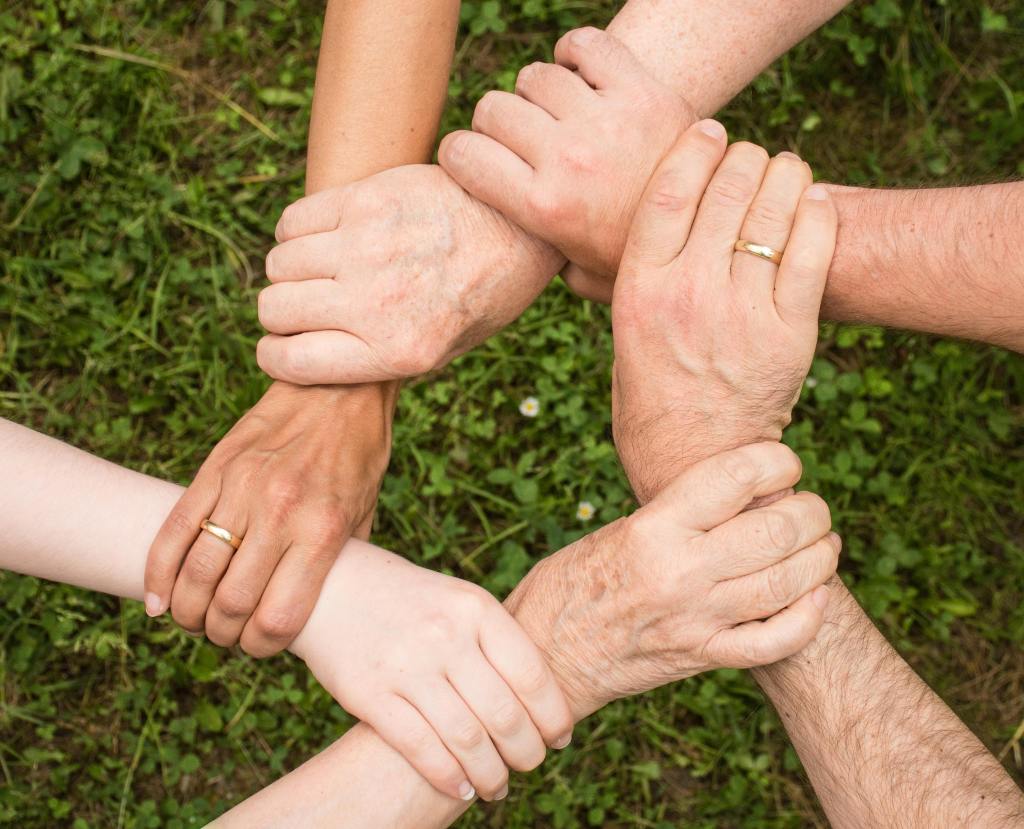
Reconnecting after being isolated is the most important step you need to make. Everyone needs a support system that connects you to readily available resources and services so you’re never alone.
Clear Thinking
A clear mind is the most dangerous tool a woman possesses. By guarding your thoughts, you ensure that no matter how loud the abuse becomes, you are always capable of building the way out.
Healing your Center

This guide provides a comprehensive roadmap for survivors to reclaim their power through logical detachment and physical regulation.
Daily Routine

The daily routine focuses on “self-regulating” your nervous system through physical grounding and intentional breathing to maintain a baseline of calm.
Morning Affirmation

This declaration is a reclamation of your Mana Motuhake, grounding you in your original wholeness and your sacred role as a foundational house of humanity.
Heavy Homes

Recognizing the oppressive atmosphere, hyper-vigilance, and fragmented family dynamics as direct results of abuse allows you to shift the blame from yourself back onto the abuser’s behavior.
Vulnerabilities

Vulnerabilities represent the specific points of leverage—such as financial dependence, housing insecurity, or social isolation—that an abuser may exploit to maintain power and control.
Emotions

Emotions are biological signals from your brain that provide immediate data about your needs and environment, helping you react to threats or pursue beneficial experiences.
Emotional Abuse

Emotional abuse is a systematic pattern of non-physical behaviors—such as gaslighting, isolation, and coercive control—used to undermine a person’s self-worth and maintain power over them.
Grounding

Grounding is a set of physical and mental techniques designed to “turn off” your body’s stress response by pulling your focus away from emotional pain and back to the safety of the present moment.
Anxiety
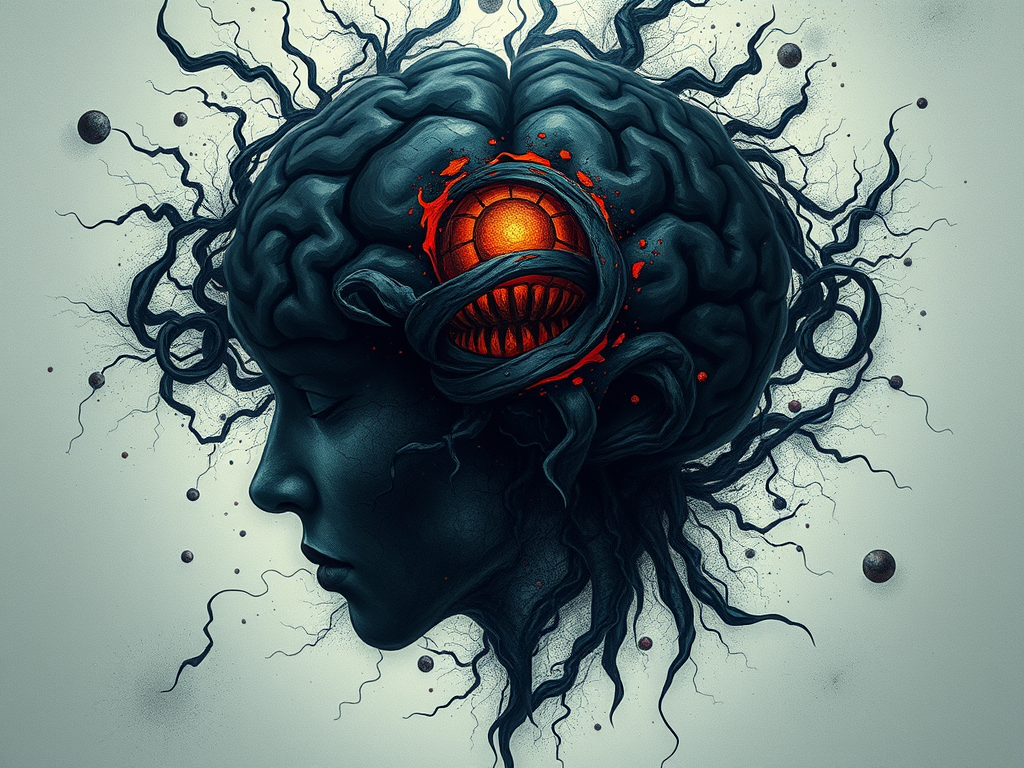
In the context of family violence, anxiety is your body’s natural “internal alarm” system becoming stuck in the “ON” position to protect you from perceived threats.
Depression
In the context of family violence, depression is often a biological “shutdown” or “freeze” response that occurs when the mind and body become exhausted from the constant strain of survival.
Reclaiming Self

Reclaiming yourself is the courageous process of peeling back the “survival layers” imposed by abuse to rediscover the unique talents, passions, and autonomy that have always been yours.
Power & Control
Power and control —such as isolation, intimidation, and financial or emotional manipulation—used by an abuser to dominate and trap their partner or family member.
Bill of Rights

In New Zealand, the Bill of Rights Act 1990 guarantees your fundamental freedoms, such as the right to be secure against unreasonable search and seizure and the right to be free from discrimination.
Trauma

In Aotearoa, trauma is understood as the profound physical, emotional, and spiritual “wound” that occurs when a person’s ability to cope is overwhelmed by harmful or life-threatening experiences.
Future Self Visualization

Future self-visualization is a powerful psychological tool used in recovery to help you mentally step out of a crisis and imagine a version of yourself that is safe, autonomous, and thriving.
Self-Validation

Self-validation is the essential practice of acknowledging that your feelings, reactions, and experiences of family violence are real, understandable, and entirely justified, regardless of how an abuser tries to twist the narrative.
Safety & Healing Roadmap

A safety and healing roadmap in Aotearoa is a guided journey that moves from immediate crisis management to long-term wellbeing.
Patterns of Behaviors

Patterns of behavior are best identified through Coercive Control, a strategy where the abuser uses a “web” of tactics—such as isolation, financial abuse, —to strip away your autonomy.
The Enablers

Enabling occurs when people around the abuser minimize or excuse their behavior.
He Twists My Words
“Twisting words” is a manipulation tactic, designed to exhaust and confuse you so that you stop questioning the abuser’s reality.
Boundaries

In New Zealand, boundaries are legal and personal barriers designed to shift control back to the survivor by establishing clear, enforceable limits on an abuser’s access to their life.
Stress
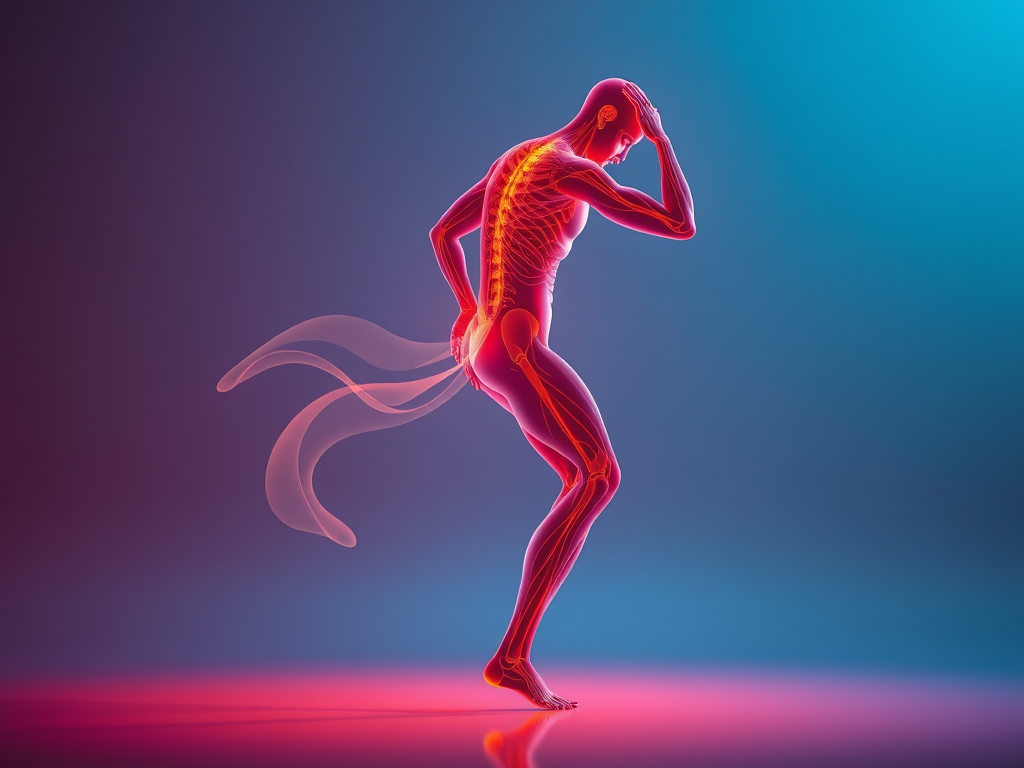
Family violence in New Zealand creates a state of “toxic stress” that can lead to long-term physical illness and neurological changes in both adults and children.
DARVO

DARVO is a psychological manipulation tactic where an abuser denies their actions and attacks the victim’s credibility to successfully frame themselves as the “real” victim.
The ‘Sanity’ Library

Family violence research is here for you to read through and learn what is going on in New Zealand. Together, they provide both the evidence and the human truth that underpin the work of specialists in the family violence sector.
Sane Parenting in an Unsafe House
By focusing on your own healing and co-regulation, you become the primary protective factor that shields your children from the long-term effects of toxic stress.
Wellbeing Check

By using a “Traffic Light” system to monitor stress levels and engaging in “Reality Anchoring,” victims can maintain their sanity while preparing for the tactical steps needed to secure their safety.
Mental Health

Trying to understand how family violence is affecting your mental health is not a simple task.
What to tell your GP

Providing the right information to your GP when you are struggling is not easy.
Trauma Bonds
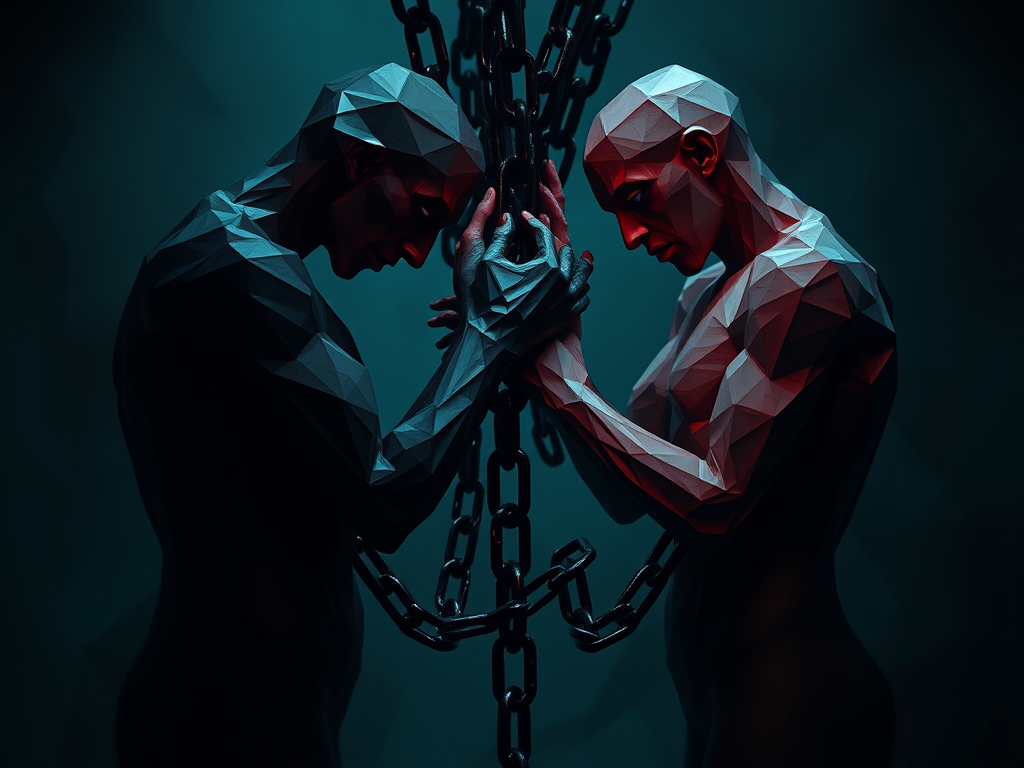
Looking for answers to why you stay can involve Trauma bonds.
Voice of Truth

These affirmations are designed to act as a “counter-narrative” to the voice of an abuser.
Self-Care Menu
This Self-Care Menu allows you to pick an activity based on how much energy you actually have.
Her Story

Sharing your story is one of the most powerful ways to break the cycle of whakamā (shame) that family violence relies on.
New Life Manifesto

An abuser’s goal was to diminish your mana so they could stand taller. A New Life Manifesto is a declaration that you are reclaiming that space.
Self-Worth

Losing belief in yourself is a common reaction when living with violence.
Why do I Stay?

Trying to understand why one chooses to stay living with an abuser.
Am I in an Abusive Relationship?

How does one figure out if the relationship is abusive?
What About my Pets?

For many New Zealanders, pets are cherished family members whose safety is non-negotiable, yet abusers often use this bond as a weapon to prevent victims from leaving.
Nervous System Regulation
When you are living with family violence, you aren’t “stressed”; you are System Overloaded. Your internal wiring is working perfectly to keep you alive, but it is running at a voltage it wasn’t designed to sustain.
Restoring Your Tapu – Grounding Exercise

This exercise is designed to help a survivor return to their body when it feels like a “heavy” or unsafe place to be. It draws on Te Whare Tapa Whā, focusing on reconnecting the wairua (spirit) with the tinana (physical body) through the breath (te hā).
The Invisible Toll on the Body

When the harm is sexual, the toll on your body isn’t just about “exhaustion”—it is about a deep, physical disconnection.
Our Brain Tricks Us
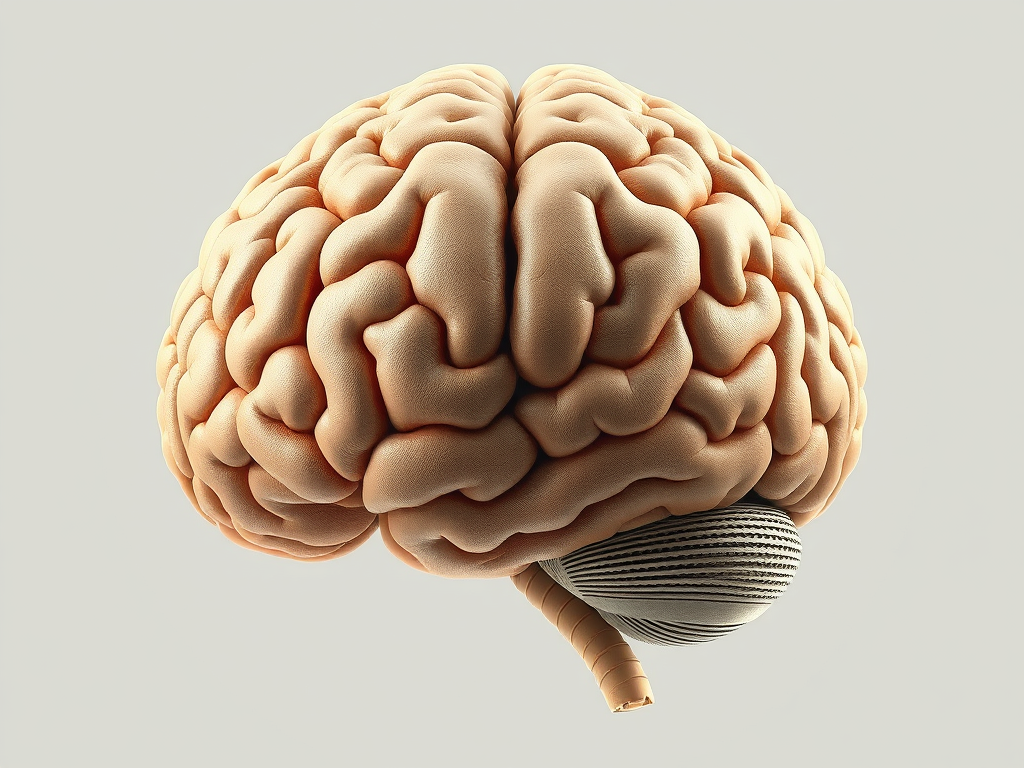
When you are living through family harm or sexual harm, your brain undergoes a profound biological shift. It stops being a “thinking” brain and becomes a “surviving” brain.
Grey Rock

The Grey Rock Technique is a strategic mental and behavioral tool used to protect your sanity when you cannot yet leave a person who is using Family Harm or Sexual Harm tactics.
Understanding Your Waka

In te ao Māori, the waka (canoe) is more than just a vessel; it is a powerful metaphor for your life’s journey, your identity, and your healing.
P.T.S.D

In New Zealand, understanding PTSD is a key step toward accessing the right ACC and clinical support.
Stuck in Your Headspace

Being “stuck in your headspace” is one of the most common and frustrating parts of recovering from family or sexual violence.
Finding My Calm

By physically moving to a “Safe Space,” you are giving your nervous system the evidence it needs to de-escalate. You aren’t just “going for a walk”—you are actively reclaiming your sanity and taking back control of your environment.

abc
 Staying Safe and Sane