
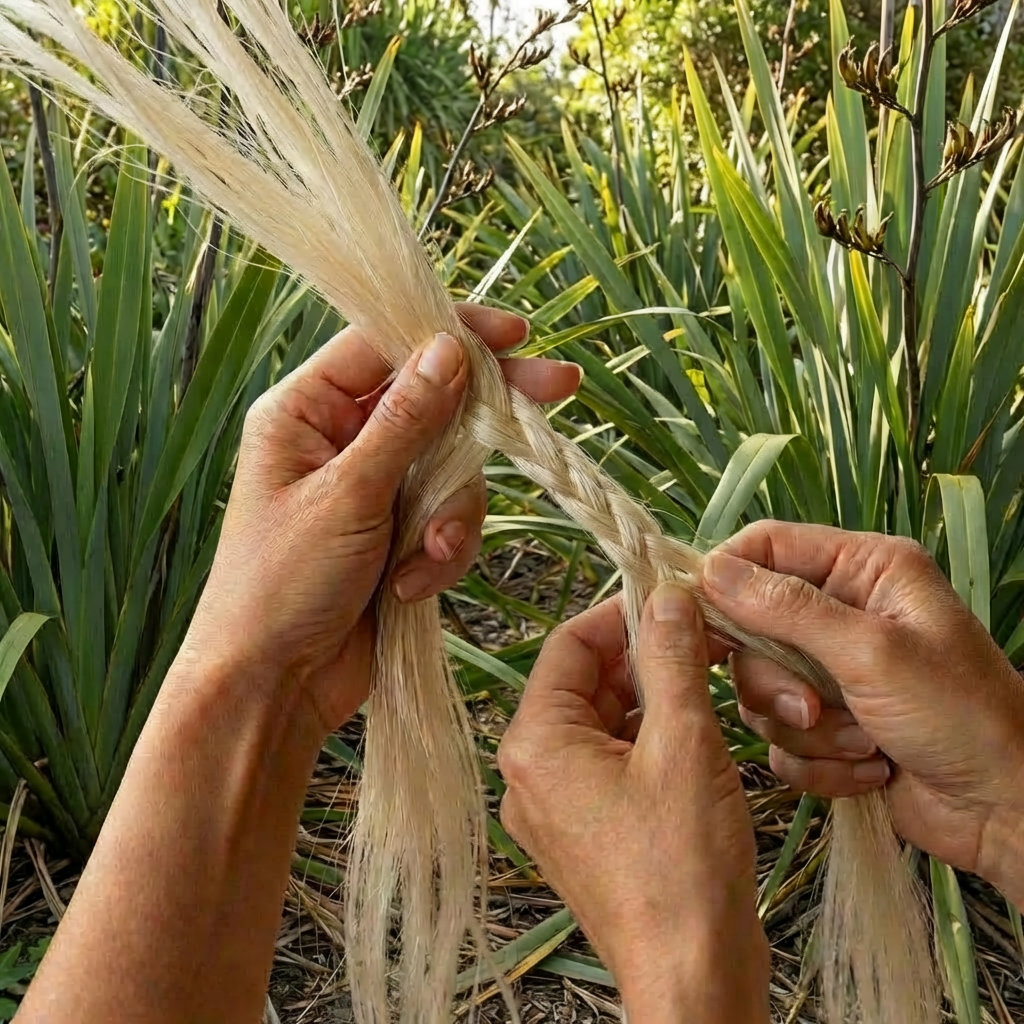
Establishing the Partnership
Becoming a Kaitiaki isn’t a role you take on unilaterally; you cannot “force” safety on someone else. Instead, it is a Tiriti —a sacred partnership between you and the person you are supporting.
Like the two tracks of a Waka Ama, or the two partners in Te Tiriti o Waitangi, you are two distinct forces with the focus on working alongside one another toward a single goal: Safe passage.
The Three Foundations of Te Tiriti
Before you step into the perimeter, you must ensure this partnership is grounded in these three clinical and cultural pillars:
- 1. Kāwanatanga (Governance of the Space) As the Kaitiaki, you manage the “outer” environment. You monitor the guest lists, the exits, and the social climate. You govern the perimeter, so the survivor doesn’t have to.
- 2. Rangatiratanga (Sovereignty of the Survivor) The survivor remains the Chief of their own life. They decide the pace, the timing, and the ultimate destination. You do not override their autonomy; you protect the space in which they exercise it.
- 3. Ōritetanga (Equality of Purpose) You work in parallel. You aren’t “above” them as a savior; you are beside them as an anchor.
Foundation 1: The Requirement of Consent (Tautoko)
In cases of sexual and family harm, the perpetrator has ignored the survivor’s “No.” By making Consent the entry requirement for being a Kaitiaki, you are practicing the very thing the perpetrator failed to do: You are honoring their Rangatiratanga.
Ask, Don’t Assume
Never “surprise” a survivor by acting as their Kaitiaki without a conversation first.
The Script for the Kaitiaki:
“I’ve been thinking about my visit on Tuesday. Since I’ll be in your home, I’d like to offer to hold the ‘Outer Scan’ for you while I’m there. If we set some quiet ground rules now, you won’t have to monitor his mood or the room as much—I’ll take over that ‘High-Alert’ role so you can just focus on our kōrero. We can even agree on a mundane topic to change to if he walks into the kitchen, so you don’t have to worry about the ‘Subtle Shift’ on your own.”
Respect the “No”: If they say they don’t want a Kaitiaki, respect it. Their right to choose how they navigate their space is the first step in their healing.
The Three “In-Home” Vows:
- The Boring Barrier: I vow to be the most “uninteresting” person in the room to the perpetrator. I will use Low-Energy Engagement to de-escalate him, allowing you to remain “Sane” and safe.
- The Tactical Seat: I vow to position myself as the Biological Anchor, monitoring the entry points so your body can stop “Scanning.”
- The Blame-Shift Exit: If things get “High Tide” (unsafe), I vow to create a “Cover Story” for my departure that protects your Rangatiratanga. I will take the “fault” for leaving, so he has no reason to be angry with you.
The Shield Against Social Entrapment
Family and sexual violence thrive on Social Entrapment—the way a perpetrator uses shared friends, whānau, and community circles to isolate a victim or force them into silence.
As a Kaitiaki, you disrupt this entrapment. Your presence signals:
- To the Perpetrator: The survivor is not alone; they are “seen” by a steady witness.
- To the Community: Safety is a collective responsibility, not a private burden.
- To the Survivor: There is a “Third Way” between staying silent and leaving entirely.
Founder’s Reflection: The No-Ultimatum Zone
“In my 30 years at the SAM table and in the kitchens of Ahipara, I’ve learned that the most powerful boundary is the No-Ultimatum Zone. Many advocates say, ‘If you don’t leave him, I can’t help you.’ That is just another form of control. A true Kaitiaki says, ‘I am here whether you stay or leave. My job is to guard your mana in this moment, regardless of your next move.’” — Lee-Anne
 Staying Safe and Sane