Our Commitment to Mana Motuhake and Whānau Wellbeing
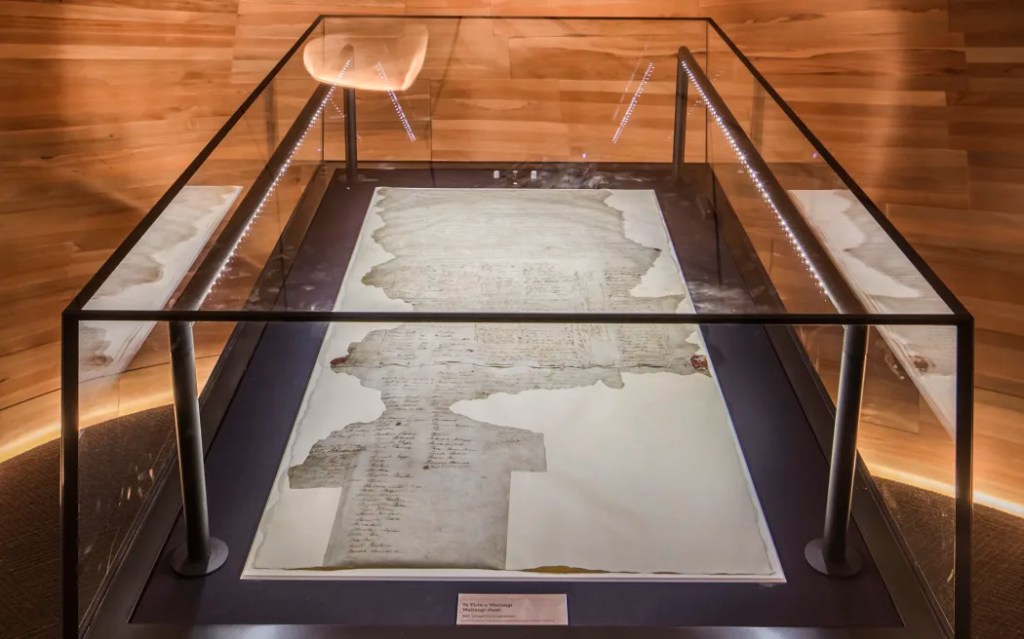
At Safe and Sane NZ, we do not view Te Tiriti o Waitangi as a historical document, but as a living authority. We acknowledge that for many Māori, the “system” represents a failure of the promise of Te Tiriti. Our mission is to restore the balance between the state’s role and the whānau’s right to self-determination.
We anchor our practice in the following framework:
1. Kāwanatanga (Article 1: Honourable Governance)
We recognize the Crown’s right to provide a system of law and order, but we also acknowledge that this “governance” has often been a second source of trauma for victims.
- Our Role: We act as a translator of Kāwanatanga. We provide the “insider” navigation tools for the Police, Courts, and Oranga Tamariki systems so that whānau can move through these state spaces without being silenced or overwhelmed by them.
2. Tino Rangatiratanga (Article 2: Absolute Sovereignty)
We affirm the absolute authority of Māori over their lives, their whānau, and their taonga.
- Our Role: Safe and Sane NZ does not seek to “manage” victims. We provide the tactical architecture—safety plans, legal templates, and psychological tools—that allow survivors to reclaim their Mana Motuhake (self-governance). We believe that the solution to violence lies within the restoration of the whānau, not just the intervention of the state.
3. Ōritetanga (Article 3: Equity and Citizenship)
We commit to the promise of “equal rights,” acknowledging that true equality requires equity.
- Our Role: Our Zero-Data initiative is a direct expression of Ōritetanga. By removing the financial barrier to safety information, we ensure that Māori whānau, who are disproportionately affected by the digital divide, have the same immediate access to safety as any other citizen of Aotearoa.
4. Te Ritenga (The ‘Oral’ Article: Spiritual Protection)
We acknowledge the protection of customs, faith, and te ao Māori worldviews.
- Our Role: We recognize that “staying sane” is a spiritual battle as much as a psychological one. Our resources incorporate a holistic understanding of wellbeing (such as Te Whare Tapa Whā), acknowledging that healing requires the restoration of Wairua (spirit), Hinengaro (mind), and Whanaungatanga (connection).
 Staying Safe and Sane