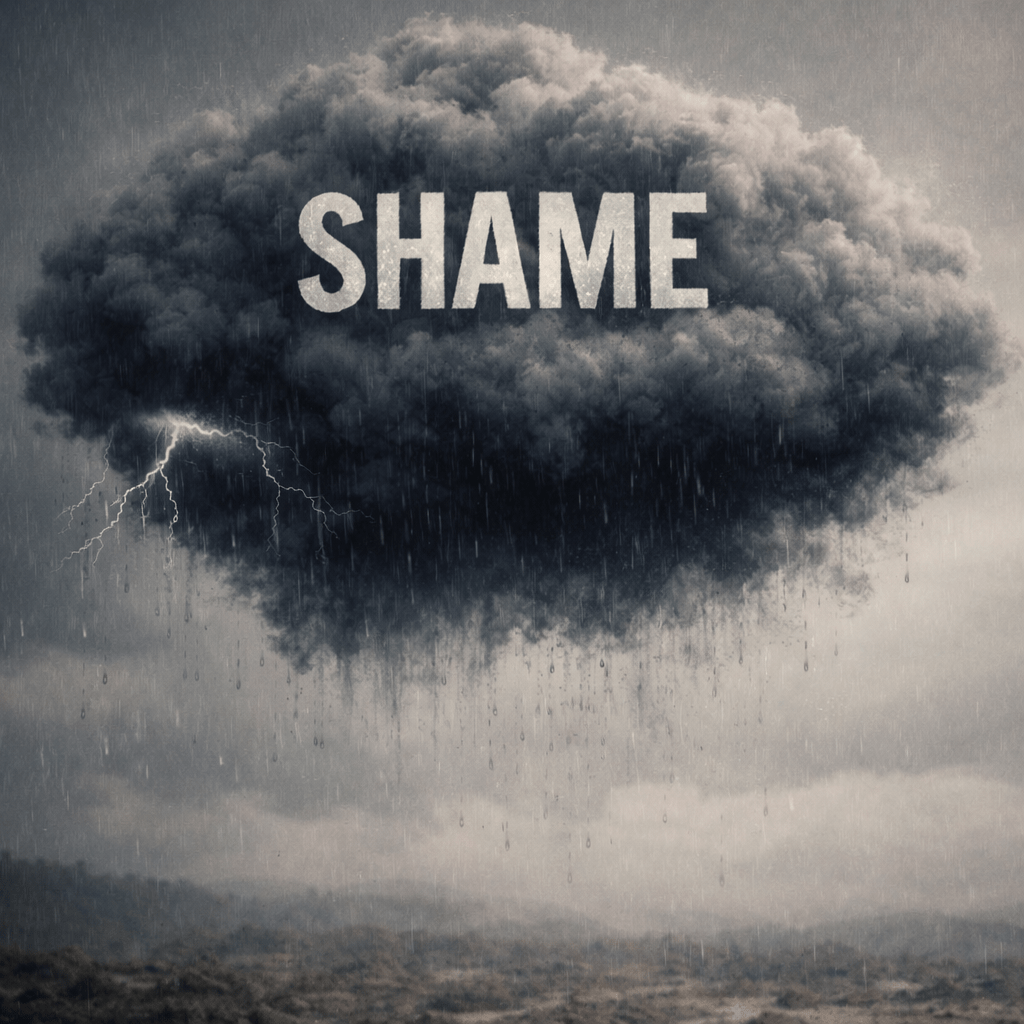
It is often said that “silence is the oxygen of shame.” If you are carrying a heavy sense of guilt, embarrassment, or “wrongness” following experiences of violence, please know this: Shame is not a reflection of who you are; it is a symptom of what you survived.
What is Shame? (And Why is it Here?)
Shame is different from guilt. While guilt says, “I did something bad,” shame whispers, “I am bad.” In the context of family or sexual violence, shame is a survival mechanism. It often feels “safer” for a victim to blame themselves than to accept that a person they loved—or the world at large—is dangerously unpredictable.
Common “Shame Thoughts” vs. The Reality
| The Shame Thought | The Truth |
| “I should have seen the signs.” | You were looking for love and safety, which is a human right. |
| “I’m ‘damaged goods’ now.” | You are a person who has experienced trauma. Your worth is intrinsic and cannot be broken. |
| “If I were stronger, I would have left/fought back.” | Your brain chose the survival strategy (Freeze, Fawn, or Flop) that kept you alive. That is strength. |
How to Recognize the “Shame Spiral”
Shame thrives in the dark. It usually manifests in three ways:
- Withdrawal: Hiding from friends, family, or support systems because you feel “unworthy” of their time.
- Perfectionism: Trying to be “flawless” to prove you aren’t “broken.”
- Self-Sabotage: Thinking you don’t deserve good things, so you push them away.
Steps Toward Letting Go
Releasing shame isn’t a one-time event; it’s a practice of reclaiming your narrative.
1. Give the Shame Back
Imagine the shame as a heavy physical object you’ve been forced to carry. Realize that it does not belong to you. It belongs to the person who chose to cause harm. Mentally (or literally, using a stone or a heavy book) hand that weight back to the source.
2. Practice “Selective Disclosure”
You don’t have to tell everyone your story, but telling someone is the antidote. Find a “safe container”—a therapist, a support group, or a trusted friend. When you speak the truth in a safe space, shame loses its power.
3. Change Your Inner Dialogue
When the critical voice starts, interrupt it.
Try saying: “I am feeling shame right now because I went through something incredibly hard. This feeling is a shadow, but I am the light.”
4. Somatic Release
Shame lives in the body (the slumped shoulders, the averted eyes).
- Power Posing: Stand tall, chest out, hands on hips for two minutes.
- Eye Contact: Practice looking at yourself in the mirror with kindness.
A Note for Right Now
You did nothing to deserve what happened. Your value is not defined by the actions of others. You are here, you are breathing, and you are allowed to be whole.
Resources in Aotearoa New Zealand
You do not have to walk this path alone. There are free, confidential services available 24/7.
For Family & Domestic Violence
- Women’s Refuge: 0800 REFUGE (0800 733 843) – 24/7 crisis support and safe housing.
- Shine: 0508 744 633 – Free, confidential domestic abuse helpline.
- Are You OK?: 0800 456 450 – Information and support for family violence.
- Shakti: 0800 SHAKTI (0800 742 584) – Dedicated 24/7 support for migrant and refugee women.
- Elder Abuse Response Service: 0800 32 668 65 – 24/7 helpline for seniors.
For Sexual Violence & Harm
- Safe to Talk: 0800 044 334 or Text 4334 – 24/7 sexual harm helpline (multi-lingual support).
- ACC Sensitive Claims: 0800 735 566 – ACC can fund long-term counselling and support for survivors of sexual violence.
- HELP Auckland / Wellington / Local: (Look up your local HELP branch) – Specialist crisis support and medical care.
General Support & Mental Health
- 1737, Need to talk?: Free call or text 1737 – To speak with a trained counsellor anytime.
- Victim Support (Manaaki Tāngata): 0800 842 846 – Support for those affected by crime and trauma.
- Male Survivors Aotearoa: malesurvivors.org.nz – Specific support for men who have experienced abuse.
- OutLine Aotearoa: 0800 688 5463 – Support for the Rainbow/LGBTQIA+ community.
If you are in immediate danger, please call 111 and ask for the Police. > A final thought: Healing is not a straight line. Some days the shame will feel louder than others. On those days, be gentle with yourself. You are the survivor of a storm, and you deserve the warmth of the sun.
 Staying Safe and Sane